 Save
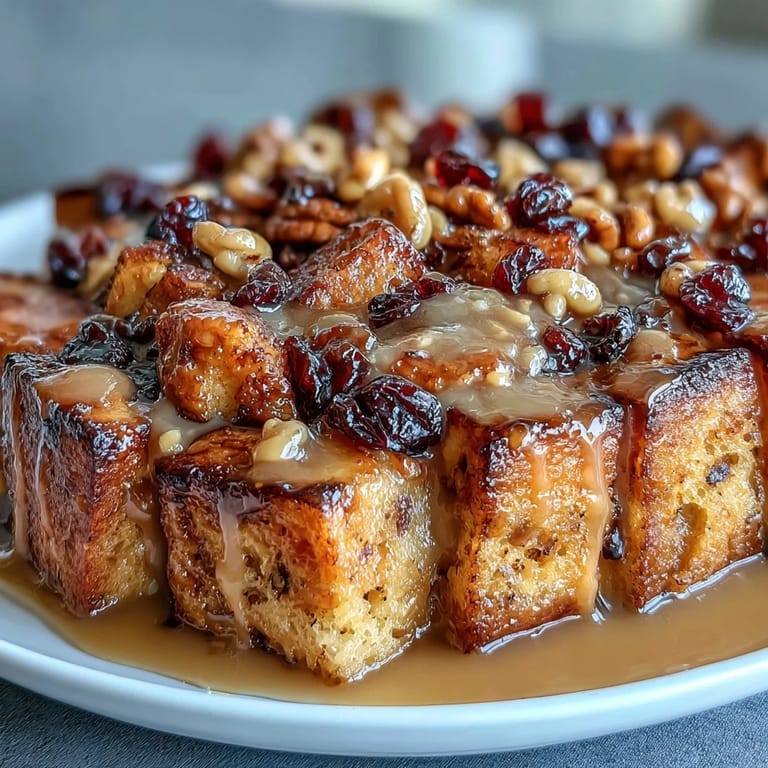
Save The gentle sweetness rising from the oven while making capirotada always makes me pause, breathing deeper as cinnamon and piloncillo notes swirl together. Once, I tried capirotada for a midnight snack and was surprised how lingering the scent became, dancing along my kitchen windowsill until sunrise. Even in a small apartment, the sound of toasted bread crackling against the tray signaled something special was happening. Pulling together simple ingredients, stacking each layer, it feels both intentional and a little playful. This bread pudding knows how to fill the house with warmth well before it's out of the oven.
I remember making this for a close group of friends who were curious about my favorite Mexican comfort foods. We ended up huddled around the dining table, trading stories and scraping caramelized bits from the pan with spoons, laughing at who got the biggest bite of cheese. The way the dried fruits burst in flavor beside toasted bread made every forkful a surprise. No one could believe how simple the process really was. That day, capirotada brought a little festive chaos to our quiet evening.
Ingredients
- Bread: Using bolillo or stale French bread gives the pudding structure and prevents sogginess—let it dry out overnight for best texture.
- Piloncillo: This unrefined cane sugar brings authentic depth and a molasses touch; dark brown sugar can substitute, but piloncillo is magic in syrup.
- Cinnamon stick: Whole cinnamon infuses warmth throughout the syrup and makes the kitchen smell amazing—don’t skip this step.
- Cloves: Just three whole cloves make the aroma unmistakably Mexican and keep the syrup lively.
- Raisins: Tossing these in between layers means juicy bursts in every bite; I always use a generous handful.
- Dried apricots/prunes: Optional, but they add a pleasant chew and contrast, making the pudding richer.
- Cheese: Queso fresco or Monterey Jack melts gently without overpowering the sweetness; mozzarella works if you want extra stretchiness.
- Pecans, peanuts, almonds: A mix of nuts balances the soft bread with crunch—toast them lightly first for even more flavor.
- Coconut flakes: For an extra layer of texture and tropical aroma, sprinkle some coconut but it's wonderful even without.
- Butter: Melted and drizzled over the top, butter unites the flavors and encourages a golden finish.
Tired of Takeout? 🥡
Get 10 meals you can make faster than delivery arrives. Seriously.
One email. No spam. Unsubscribe anytime.
Instructions
- Prep Your Pan and Oven:
- Lightly butter a 9x13-inch baking dish and preheat your oven to 180°C (350°F). Listen for the gentle clink as you butter the corners—it means you’re almost ready to build the best layers.
- Toast the Bread:
- Arrange the bread slices on a baking sheet and toast in the oven for 10-12 minutes, flipping halfway. The crunch to your touch signals they're perfect for layering.
- Make the Syrup:
- Combine water, piloncillo, cinnamon stick, and cloves in a saucepan. Bring to a boil, then simmer until syrupy and aromatic (about 8-10 minutes), straining spices out before pouring—your kitchen should be enveloped in spice clouds.
- Layer Your Ingredients:
- Start with one-third of the toasted bread in the dish, then sprinkle with some raisins, dried fruit, nuts, and cheese. Repeat layering until everything is used, finishing with cheese and nuts on top; mixing up the order just a little gives a different bite every time.
- Pour the Syrup:
- Slowly drizzle the warm syrup over the layers, making sure all bread soaks up moisture. It's normal to hear soft bubbling as the syrup seeps—this is where the magic happens.
- Add Butter and Toppings:
- Drizzle melted butter and sprinkle coconut flakes if desired. The butter helps everything crisp up and reduces dryness in the top layer.
- Bake:
- Cover with foil and bake for 25 minutes. Remove the foil, then bake for another 10-15 minutes until everything is golden and bubbling, with edges caramelized.
- Cool Before Serving:
- Let it rest at least 15 minutes so the layers settle and flavors mingle. Serve warm or at room temperature and appreciate every gooey, crunchy bite.
 Save
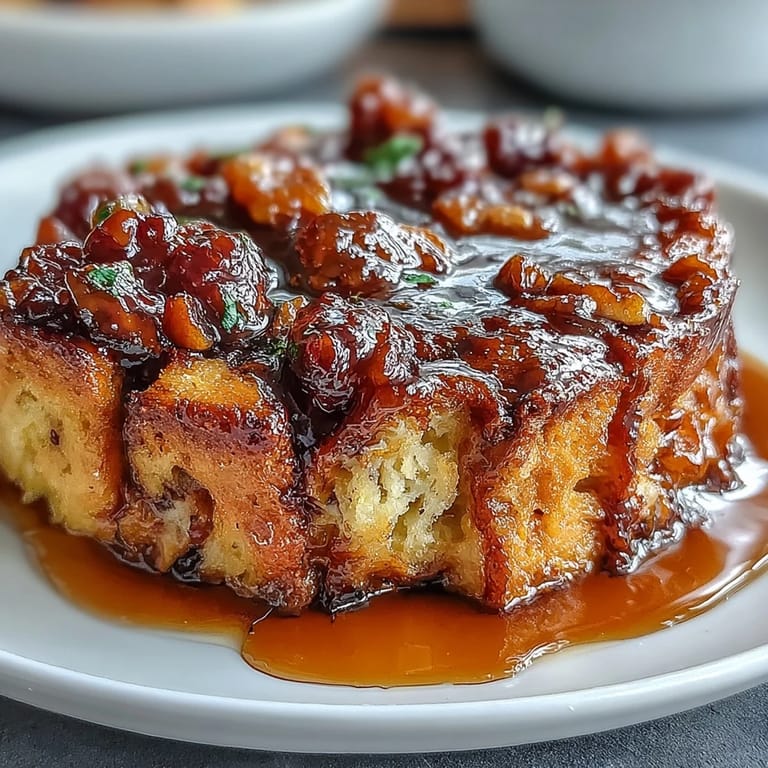
Save There was one Lent when capirotada transformed our Sunday brunch into a celebration—a table filled with chatter and empty plates. A friend who’d never tasted it before hesitated, but after the first forkful, asked for seconds before anyone else. Sharing capirotada with people new to it always turns ordinary meals into little moments of discovery. It’s more than a dessert; it’s a conversation starter. Every time, its comforting layers invite stories and laughter.
How to Make Your Layers Stand Out
The secret is in the details—spreading the bread in slightly overlapping rows instead of flat stacks keeps the texture lively. Mixing cheese between two layers, but not all three, leaves pockets of melt that surprise the palate. Nuts sprinkled on the top caramelize as they bake. If you want that classic Mexican character, don't forget to use piloncillo syrup and whole spices for depth.
When to Serve Capirotada
Capirotada is traditionally served during Lent, but I’ve prepared it for chilly evenings and summer brunches alike. The pudding fits every mood: comforting after a long day, festive for celebrations, and remarkably nice with strong coffee or Mexican hot chocolate. Guests always ask for the recipe, no matter the season.
Tiny Tweaks and Troubleshooting
If you’re tempted to use fresh bread, resist—let it dry, as it soaks the syrup best. Watching your layers while pouring syrup ensures no dry patches remain, and a simple foil tent can prevent too much browning. Swapping nuts or dried fruits makes each batch unique and helps adapt the recipe for whatever’s in your pantry.
- If your syrup isn't thick enough, simmer it just a few minutes longer.
- Slicing bread thickly will yield chunkier pudding; thin slices make it softer.
- Let leftovers rest covered overnight; flavors deepen and get even tastier.
 Save
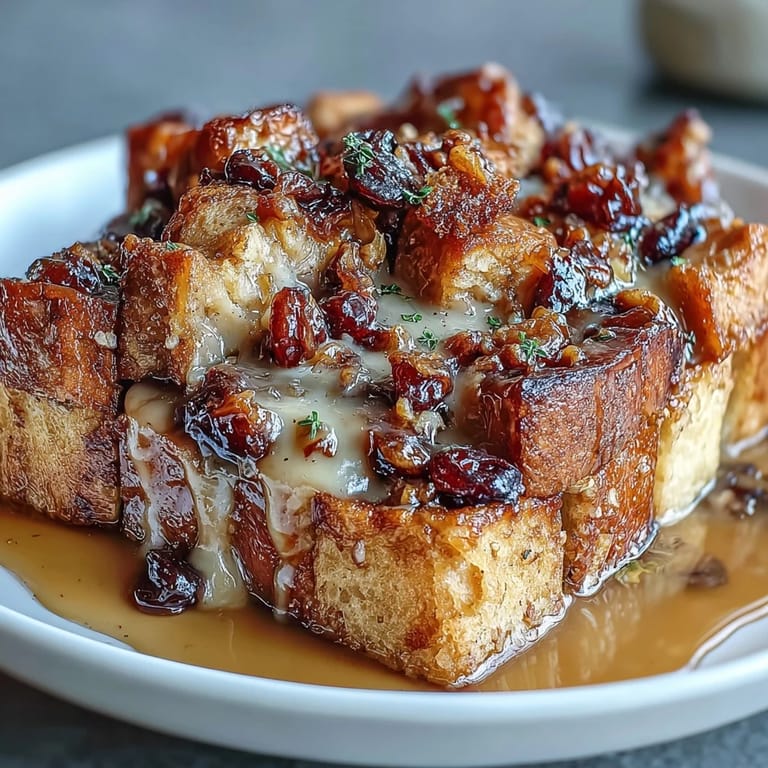
Save Every time capirotada graces my table, the kitchen feels a little brighter and sweeter. It’s a recipe that makes sharing dessert an experience as much as a pleasure.
Recipe Questions & Answers
- → What type of bread works best?
Slightly stale bolillo or French bread is ideal for absorbing syrup without becoming mushy.
- → Can piloncillo be substituted?
Dark brown sugar can replace piloncillo for a similar flavor and sweetness.
- → Is cheese necessary for this dessert?
Cheese adds creamy richness but can be omitted or replaced with lactose-free options if preferred.
- → Which nuts are recommended?
Pecans, peanuts, and almonds offer crunch and flavor; feel free to use your favorite nuts.
- → How do you serve capirotada?
Let cool for 15 minutes, then serve warm or at room temperature. Pair with coffee or Mexican hot chocolate.
- → Are there variations for extra fruitiness?
Add sliced bananas or apples to the layers for a fresh twist and extra sweetness.