 Save
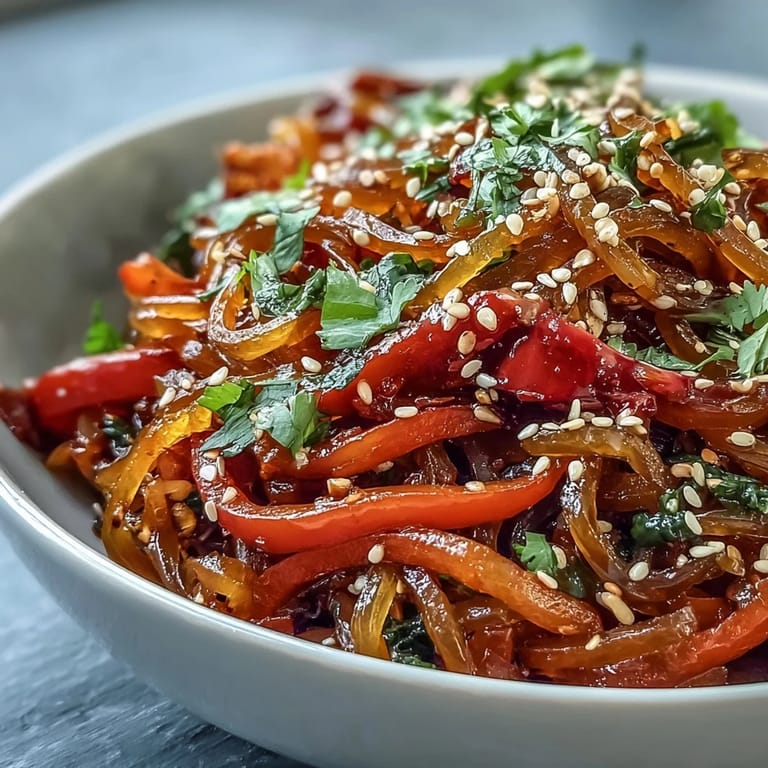
Save There's something quietly satisfying about kelp noodles—they showed up in my kitchen one Tuesday when I was determined to eat lighter but refused to sacrifice the joy of stir-frying. The first time I cooked them, I expected something weird or intimidating, but instead I found this delicate, springy texture that soaks up sauce like nothing I'd ever worked with before. Now whenever I want that wok-sizzle excitement without the heaviness, this is what I reach for.
I made this for my friend Alex on a warm spring evening when she mentioned wanting to eat "cleaner" but was tired of sad salads. Watching her take that first bite and immediately go back for more—that's when I realized this dish works because it doesn't ask you to sacrifice flavor or texture. It's bright and crunchy and full of actual personality, not compromise.
Ingredients
- Kelp noodles: These deserve a moment—they're basically calorie-free but chewier than rice noodles, and they hold onto sauce brilliantly because of their unique texture.
- Red bell pepper: Thin slicing matters here because you want them to cook through quickly while staying snappy, not soft.
- Snap peas: They're the crunch keeper—they resist becoming mushy even with high heat, which is exactly what you want.
- Carrot: Julienning (those thin matchsticks) isn't just for show; it cooks evenly and mingles with everything.
- Baby spinach: It wilts in seconds, adding earthiness and minerals without overpowering the bright flavors.
- Green onions: These go in at the end to keep their mild onion punch instead of becoming sweet and mellow.
- Tamari or low-sodium soy sauce: Tamari is naturally gluten-free, which matters if you need that, but honestly it's also just a cleaner-tasting soy sauce.
- Toasted sesame oil: This is non-negotiable—regular sesame oil is pale and mild, but toasted has this deep, nutty personality that carries the whole dish.
- Rice vinegar: It brings brightness without being aggressive, balancing the richness of the sesame oil.
- Fresh ginger: Finely grated means it releases more of its spicy, warming kick throughout the sauce instead of sitting in chunks.
- Maple syrup or agave nectar: Just a touch to round out the sauce and soften the vinegar's edge.
- Garlic and chili flakes: Garlic minced fine becomes almost sweet when cooked this quickly, and the optional chili flakes add a subtle heat that builds as you eat.
- Sesame seeds: Toasted seeds have way more personality than raw ones, adding texture and a nutty finish.
Tired of Takeout? 🥡
Get 10 meals you can make faster than delivery arrives. Seriously.
One email. No spam. Unsubscribe anytime.
Instructions
- Prepare the kelp noodles:
- Rinse them under cold water first, then soak in warm water for exactly 10 minutes—this is the magic timing that softens them without making them mushy. You'll feel them go from stiff to pliable as they hydrate.
- Build your sauce:
- Whisk the tamari, sesame oil, rice vinegar, ginger, sweetener, garlic, and chili flakes together in a small bowl until the maple syrup dissolves completely. Taste it straight—it should hit salty, tangy, spicy, and slightly sweet all at once.
- Get your skillet screaming hot:
- Medium-high heat on a nonstick skillet or wok is the sweet spot—too low and vegetables steam instead of caramelize, too high and they burn before softening. You want to hear that sizzle when the bell pepper hits the pan.
- Cook the harder vegetables first:
- Add bell pepper, snap peas, and carrot together and let them sit for a minute before stirring, which builds a tiny bit of color and brings out their sweetness. Stir-fry for 3 to 4 minutes total until they're tender but still have a snap to them when you bite down.
- Wilt in the tender stuff:
- Toss in the spinach and green onions and keep moving them around for just about 1 minute—spinach goes from fresh to cooked in a blink, so watch closely.
- Bring it all together:
- Add your drained kelp noodles and pour the sauce over everything, then toss hard for 2 to 3 minutes so every strand and vegetable gets coated. You'll know it's ready when nothing looks dry and the noodles are heated all the way through.
- Finish and serve:
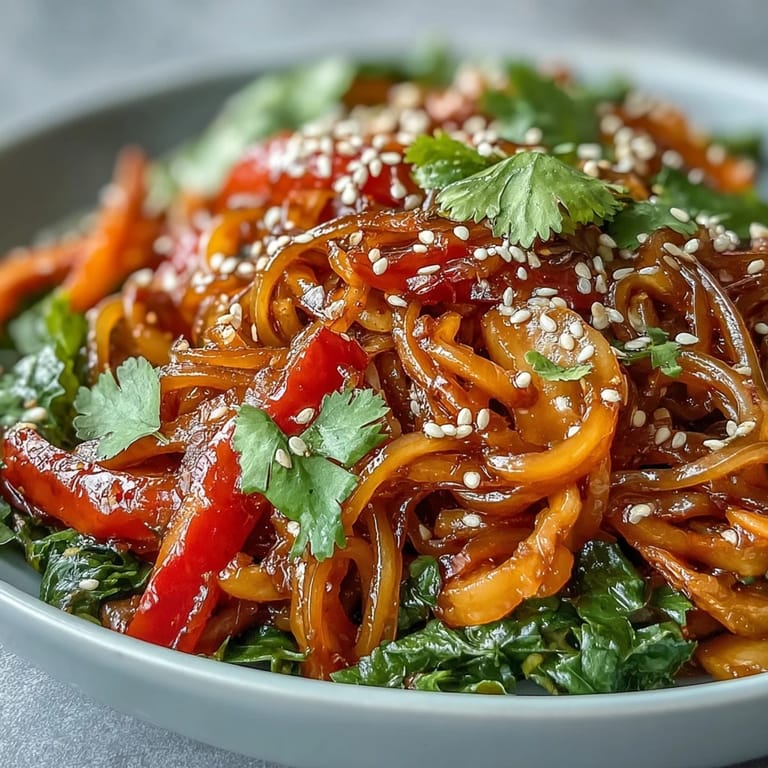
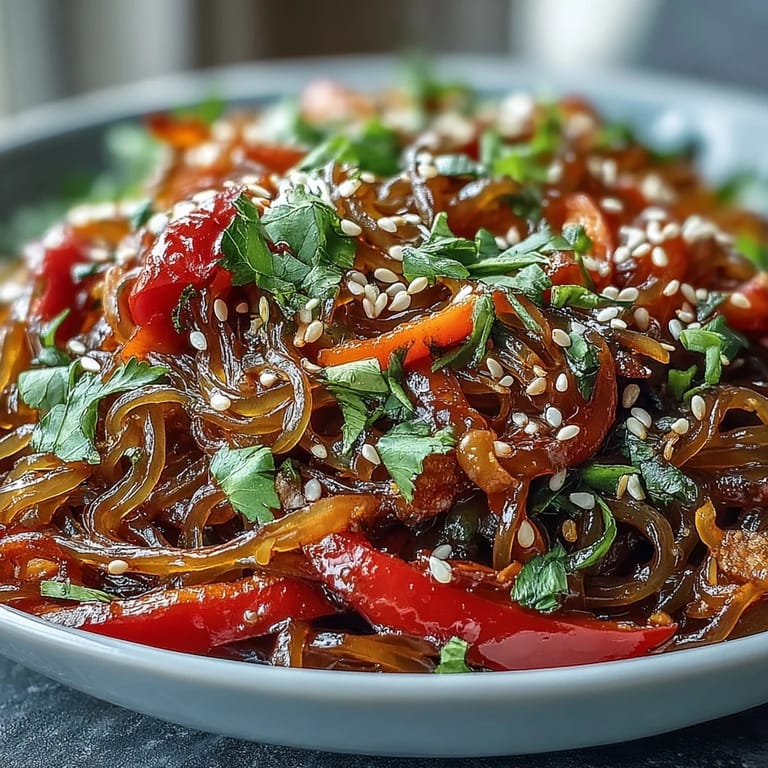
- Divide into bowls immediately and top with toasted sesame seeds, fresh cilantro if you have it, and lime wedges for squeezing—the lime brightens everything at the last second.
 Save
Save There was this one night when I served this to my partner after a long day, and they looked at the bowl like it was too pretty to eat, then ate it in about four minutes flat. Somehow this light stir-fry managed to feel indulgent and nourishing at the same time, which is rarer than it should be.
Why Kelp Noodles Are Worth Your Time
Kelp noodles are made from seaweed and water, which sounds intimidating until you taste them and realize they're basically a neutral canvas that lets every other flavor shine. They have this unique chewiness that's closer to fresh ramen than to rice noodles, and they stay firm even under vigorous tossing. Once you get over the idea that they're "different," they become genuinely fun to cook with—they never get mushy, they hold up to reheating, and they make you feel like you're eating something substantial even though the calorie count is almost laughable.
Making This Dish Your Own
The beauty of a stir-fry is that it's forgiving once you understand the basic ratio of sauce to noodles to vegetables. Swap in broccoli, mushrooms, zucchini, or even cabbage depending on what looks fresh at the market. For extra protein, I sometimes add cubed tofu that I've pressed and pan-fried until it's golden, or I'll toss in some edamame straight from the freezer in the last minute of cooking so they warm through but keep their pop.
Sauce Variations That Change Everything
The ginger-garlic-sesame base is perfect as is, but once you master it, you can play with it endlessly. A spoonful of almond butter stirred into the finished dish adds creaminess and richness without overwhelming anything. Some nights I add a tiny dash of fish sauce for umami depth, or I swap the rice vinegar for lime juice for a more tropical angle. The magic is that none of these tweaks require you to change your technique—just adjust the sauce and the rest follows.
- For a peanut version, whisk in a tablespoon of natural peanut butter with the other sauce ingredients and go easy on the chili flakes so the nuttiness comes through.
- If you want more heat, add chili flakes or a fresh minced Thai chili to the pan when you cook the garlic, not just in the sauce.
- Coconut aminos work beautifully in place of tamari if you're avoiding soy entirely, and they bring a subtle sweetness all their own.
 Save
Save This dish has quietly become my go-to when I want something that feels indulgent but leaves me feeling light and energized instead of sluggish. It's proof that healthy eating doesn't have to taste like punishment.
Recipe Questions & Answers
- → Do I need to cook kelp noodles?
Kelp noodles don't require traditional cooking. Soaking them in warm water for 10 minutes softens their texture while maintaining their signature crunch. They're ready to eat straight from the package, but warming them in the stir-fry helps them absorb flavors.
- → Can I add protein to this dish?
Absolutely. Cubed tofu, edamame, or cooked chickpeas work beautifully. Add tofu when sautéing the vegetables to brown it slightly, or stir in edamame during the last 2 minutes of cooking.
- → What vegetables work best in stir-fries?
Bell peppers, snap peas, carrots, broccoli, zucchini, and mushrooms are excellent choices. They maintain texture when cooked quickly and absorb sauces well. Feel free to use whatever fresh vegetables you have on hand.
- → How do I store leftovers?
Store in an airtight container in the refrigerator for up to 3 days. The noodles may soften slightly over time. Reheat gently in a skillet or enjoy cold—the flavors actually develop more depth overnight.
- → Is the sauce spicy?
The sauce has a gentle warmth from fresh ginger and optional chili flakes. It's more aromatic and zesty than hot. Adjust the heat by adding more or less chili flakes, or leave them out entirely for a milder version.
- → Can I make this dish nut-free?
Yes, this version is completely nut-free. The nutty flavor comes from toasted sesame oil and seeds, which are seeds, not nuts. Always check labels if you have severe allergies.