 Save
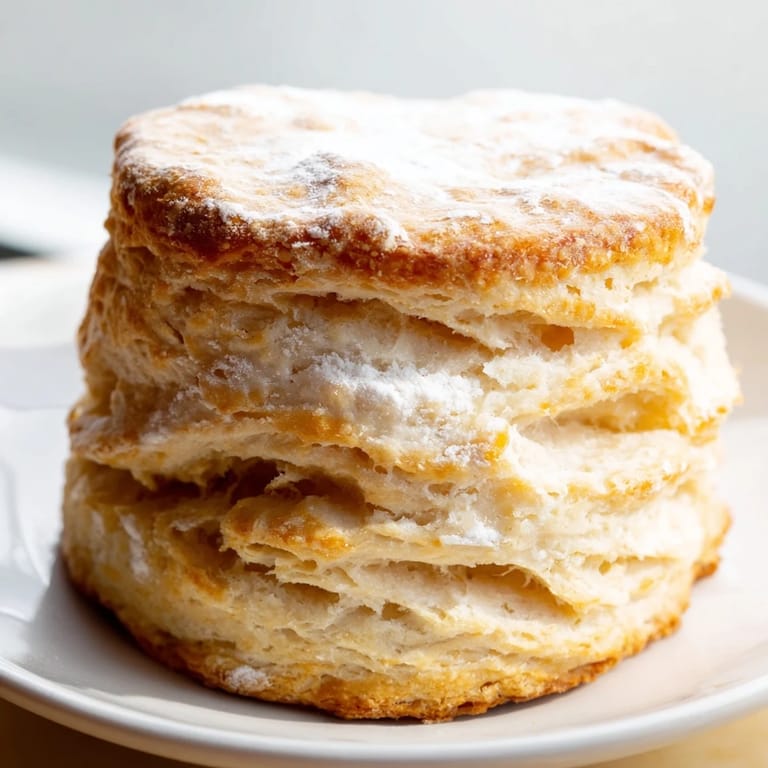
Save The kitchen was barely awake when I decided to attempt buttermilk biscuits on a gray Saturday morning. Something about the idea of warm, flaky bread emerging from the oven felt like a small rebellion against the damp weather outside. My first attempt was a disaster—they came out flat as hockey pucks, dense enough to use as paperweights. It took me months of trial and error to understand that cold butter and a light hand are the real secrets here. Now the smell of baking biscuits still feels like my personal victory over that disastrous first morning.
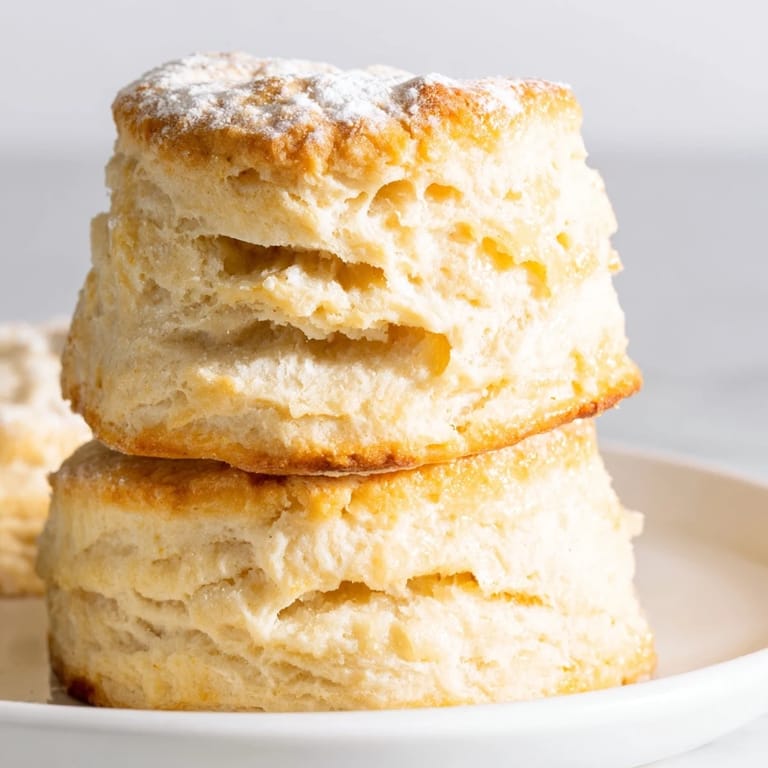
Last summer, I made these for my brother who swore he hated homemade biscuits because they were always dry. When he broke one open and steam escaped in a little cloud, his expression changed completely. He ate three with honey and refused to leave until I wrote down the recipe. That afternoon convinced me that good biscuits have the power to turn skeptics into believers faster than almost anything else I bake.
Ingredients
- 2 cups all-purpose flour: The foundation of everything—dont pack it down or measure directly over the bowl
- 1 tablespoon baking powder: This is what gives you that impressive rise, so make sure its fresh
- ½ teaspoon baking soda: Works with the buttermilk to create those tender, airy pockets inside
- 1 teaspoon fine sea salt: Balances the richness and makes every other flavor pop
- 1 tablespoon granulated sugar: Just enough to help with browning without making them sweet
- ½ cup cold unsalted butter: The colder the better—I pop mine in the freezer for 10 minutes before cutting
- ¾ cup cold buttermilk: The acidity here is nonnegotiable for both flavor and texture
Tired of Takeout? 🥡
Get 10 meals you can make faster than delivery arrives. Seriously.
One email. No spam. Unsubscribe anytime.
Instructions
- Get your oven ready:
- Preheat to 220°C (425°F) and line a baking sheet with parchment paper so nothing sticks later
- Mix your dry ingredients:
- Whisk the flour, baking powder, baking soda, salt, and sugar in a large bowl until everything is evenly distributed
- Cut in the butter:
- Work those cold butter cubes into the flour with a pastry cutter or your fingers until you see coarse crumbs with some pea-sized butter pieces still visible
- Add the buttermilk:
- Make a well in the center, pour in the cold buttermilk, and stir gently with a fork just until the dough holds together
- Build the layers:
- Turn the dough onto a floured surface, pat into a 1.5 cm thick rectangle, fold in half, and repeat this fold-and-pat process two more times
- Cut them out:
- Press straight down with a 6 cm round cutter—absolutely no twisting or theyll bake up lopsided
- Prepare for baking:
- Arrange the biscuits close together on your baking sheet and brush the tops with a little extra buttermilk
- Bake until golden:
- Pop them in the oven for 13–15 minutes until theyre tall and beautifully browned on top
- Serve them warm:
- Let them cool for just a few minutes before breaking them open while still steamy
 Save
Save My motherinlaw asked for my secret after trying these at Sunday dinner, and I felt absurdly proud explaining that it was mostly about keeping the butter cold. There is something deeply satisfying about turning simple ingredients into something that makes people close their eyes and smile. These biscuits have become my goto for bringing comfort to the table without any fanfare.
Mastering the Dough
The folding step might seem excessive, but those extra layers are what transform a basic biscuit into something extraordinary. Each fold creates new pockets of butter that steam and puff during baking, resulting in that flaky texture that people crave. I used to skip this step when I was rushing, and the difference is undeniable now that I take the time.
Temperature Matters
Cold ingredients are nonnegotiable here—warm butter melts into the flour instead of staying in distinct pieces, which kills the flaky structure. On hot days, I chill my mixing bowl and flour in the freezer for 10 minutes before starting. It sounds fussy, but the texture payoff is worth every extra moment of preparation.
Serving Suggestions
These biscuits shine with just a pat of salted butter melting into the warm layers, but they also welcome additions. Split them for breakfast sandwiches with scrambled eggs, serve alongside soups and stews to soak up every drop, or dress them up with a brush of garlic butter when they come out of the oven. The versatility is part of what makes them a staple in my kitchen.
- Brush with melted garlic butter immediately after baking for an irresistible savory twist
- Add shredded cheddar and chopped chives to the dry ingredients for a crowdpleasing variation
- Freeze unbaked biscuits on a baking sheet, then transfer to a bag and bake straight from frozen whenever the craving strikes
 Save
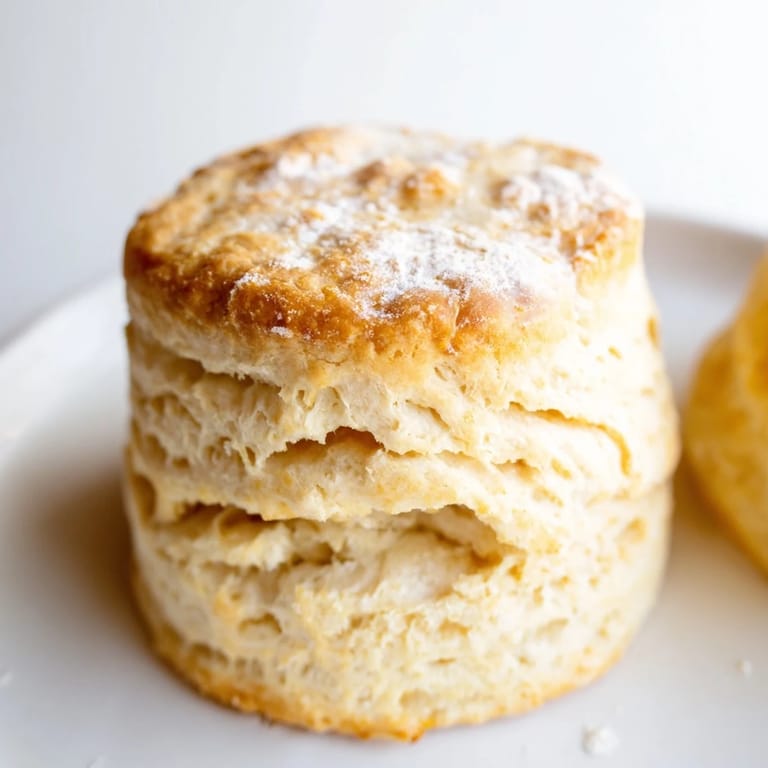
Save There is nothing quite like pulling a batch of these from the oven and hearing that first biscuit crack open. Hope they bring as much warmth to your table as they have to mine.
Recipe Questions & Answers
- → Why must the butter and buttermilk be cold?
Cold butter creates small pockets within the dough that melt during baking, releasing steam and forming those desirable flaky layers. Warm butter would blend completely into the flour, resulting in denser, less tender biscuits.
- → Can I substitute regular milk for buttermilk?
Yes! Combine ¾ cup milk with 2 teaspoons lemon juice or vinegar, let it sit for 5 minutes until thickened, then use as you would buttermilk. The acidity activates the baking soda for proper rise.
- → Why shouldn't I twist the biscuit cutter?
Twisting seals the edges, preventing proper rising. Press straight down and pull up cleanly to allow the layers to expand upward in the oven, giving you those beautifully tall biscuits.
- → How do I store leftover biscuits?
Store completely cooled biscuits in an airtight container at room temperature for up to 2 days. For longer storage, freeze individually wrapped and reheat in a 350°F oven for 5-7 minutes.
- → What causes biscuits to be tough instead of tender?
Overmixing develops gluten, making biscuits tough and chewy. Stir until just combined, handle the dough gently, and minimize re-rolling scraps to maintain tenderness.