 Save
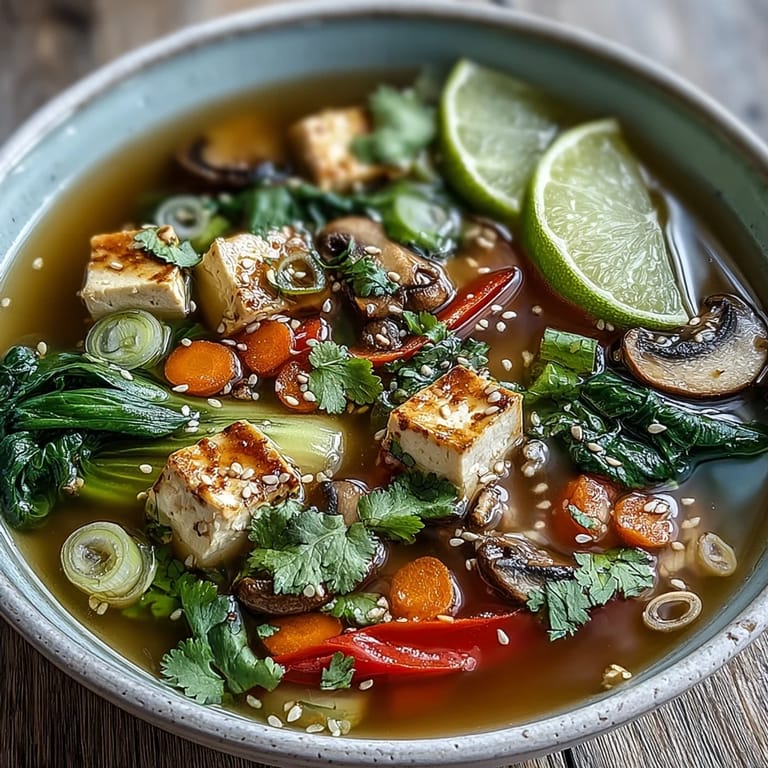
Save One quiet weeknight, my roommate came home looking absolutely exhausted, and I realized the kitchen was the one place where I could actually do something helpful. I pulled together whatever vegetables were lingering in the crisper drawer and remembered this silken tofu sitting in the fridge, wondering if I could turn them into something warm and restorative. Twenty minutes later, we were both sitting cross-legged on the couch with steaming bowls, and she exhaled in a way that made me understand why soup exists. This Asian-inspired broth became my answer to those moments when cooking needed to be simple, nourishing, and done without fuss.
I made this soup for a friend who'd just moved to the neighborhood, and we sat at her still-mostly-empty kitchen table talking until the bowls were cold. She kept saying how it tasted like the kind of thing you'd get at a restaurant that charges too much, and I remember feeling quietly proud that something this honest could feel elegant. That's when I understood this soup had a quiet power to it, the way it could make someone feel cared for without any elaborate performance.
Ingredients
- Low-sodium vegetable broth: This is your foundation, and using the right amount means your soup tastes like broth, not salt water; I learned this the hard way by oversalting early on.
- Soy sauce or tamari: Tamari is the gluten-free option and honestly tastes just as good, with a slightly deeper flavor that I've grown to prefer.
- Fresh ginger and garlic: These two are non-negotiable for that signature warmth; minced garlic disappears into the broth while thin ginger slices float gently throughout.
- Sesame oil: Only a teaspoon is needed because this stuff is concentrated flavor in a bottle, and using more would overpower the delicate balance.
- Carrot: Julienned thin means it cooks quickly and adds natural sweetness that rounds out the savory broth.
- Shiitake mushrooms: Their earthy quality makes this soup feel substantial without any meat, and slicing them thin helps them soften just right.
- Baby bok choy: This tender green vegetable wilts beautifully and brings a slight minerality that makes the broth taste more complex.
- Red bell pepper: Thinly sliced so it stays slightly crisp and adds a pop of sweetness and color that makes the bowl look alive.
- Spring onions: These go in near the end to keep their fresh, bright quality intact.
- Silken tofu: Cubed gently, this is the protein that makes the soup feel complete without making it heavy; handle it like you're handling something precious.
- Fresh cilantro, sesame seeds, and lime: These garnishes are optional but they're honestly what elevate the whole experience from nice to memorable.
Tired of Takeout? 🥡
Get 10 meals you can make faster than delivery arrives. Seriously.
One email. No spam. Unsubscribe anytime.
Instructions
- Toast the aromatics:
- Heat your sesame oil over medium heat and watch it shimmer before adding minced garlic and ginger slices. Let them sizzle for a minute or so until your entire kitchen smells like an Asian restaurant, which is the signal that you're on the right track.
- Build your broth base:
- Pour in the vegetable broth and soy sauce, bringing it to a gentle simmer rather than a rolling boil. This keeps everything tender and the flavors balanced rather than concentrated.
- Cook the heartier vegetables:
- Add carrot, shiitake mushrooms, and red bell pepper now, letting them simmer for about five minutes until they're almost tender but still have a slight resistance when you bite them.
- Add the delicate greens:
- Throw in baby bok choy and spring onions and let them cook just until they brighten in color, which takes only two or three minutes. Overcooking them turns them into something sad and mushy.
- Introduce the tofu gently:
- This is where you need to move slowly and deliberately, adding cubed silken tofu and letting it warm through for about two minutes without stirring too much. Think of it like inviting a guest into the party rather than dragging them in.
- Taste and adjust:
- This is your moment to decide if it needs more soy sauce or if it's already perfectly balanced. I usually find it needs just a touch more, but every palate is different.
- Serve with intention:
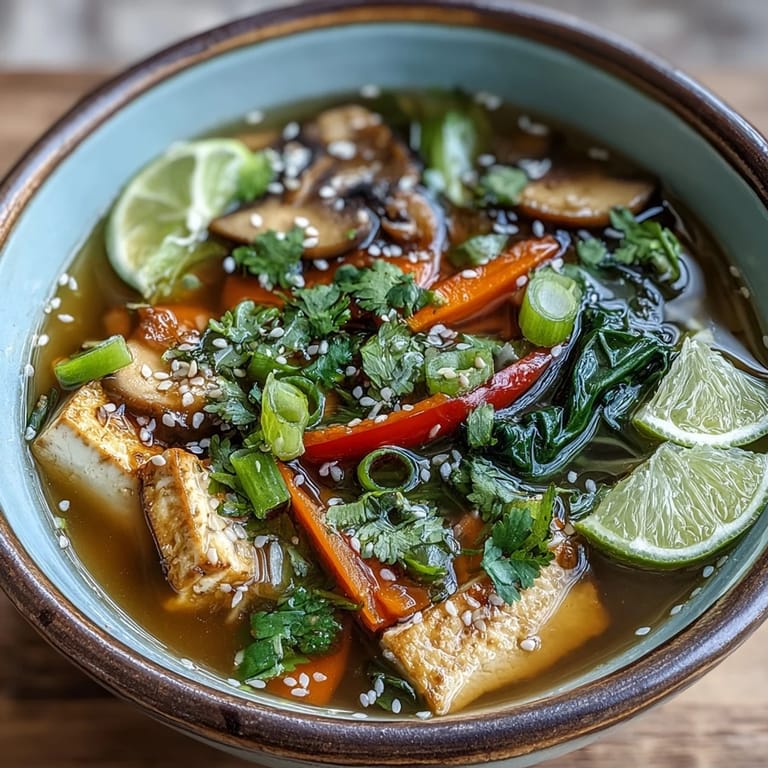
- Ladle the soup into bowls and top with cilantro, sesame seeds, and a wedge of lime if you want that bright finish. The lime especially makes the flavors pop in a way that feels almost magical.
 Save
Save I made this soup on a day when someone I cared about was feeling overwhelmed, and watching them slow down and breathe while eating it reminded me that sometimes the most useful thing you can do is create a moment of calm. This soup became my proof that food doesn't need to be complicated to be meaningful.
The Magic of Minimal Ingredients
What makes this soup work is that nothing is fighting for attention. The broth is clean and light, the vegetables are there to add texture and nutrition rather than clutter, and the tofu sits quietly in the middle of it all like the point of the whole thing. I realized pretty early on that trying to stuff more vegetables into this soup only muddies what makes it special, which is its clarity and restraint.
Timing Is Everything
The whole soup takes thirty minutes from start to finish, which is exactly the amount of time it takes to feel like you've actually cooked something without having spent your entire evening in the kitchen. I've made this enough times now to know that the five-minute simmer for the carrots and mushrooms is precise because any longer and they start losing their texture, any shorter and they're still too firm. This is the kind of recipe where paying attention for those specific minutes makes the difference between a good soup and one that tastes like you knew what you were doing all along.
Ways to Make It Your Own
Once you understand the basic structure of this soup, you can swap vegetables depending on what's in season or what's sitting in your fridge. I've made versions with snow peas in spring, napa cabbage in winter, and once I threw in some enoki mushrooms just to see what would happen and it turned out to be exactly right. For people who like heat, a drizzle of chili oil or some fresh sliced chili stirred in right before serving turns this into something with more personality.
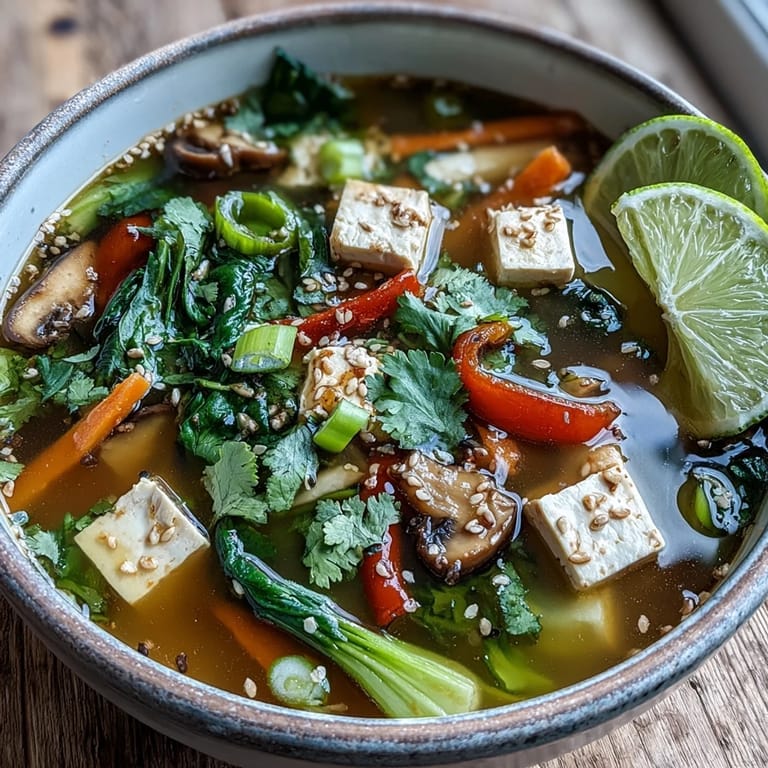
- If you want more texture, use firm tofu instead of silken, though you'll lose that delicate quality that makes this version special.
- A squeeze of fresh lime over the finished bowl brightens everything and makes the broth taste more vibrant than it actually is.
- Cilantro and toasted sesame seeds aren't optional in my opinion because they're what takes this from good to memorable.
 Save
Save This soup has become my go-to answer for when I want to cook something that feels intentional and real, something that takes half an hour and tastes like it took all day. If you make it even once, I think you'll understand why I come back to it again and again.
Recipe Questions & Answers
- → Can I use firm tofu instead of silken?
Yes, firm tofu works well and provides more texture. It will hold its shape better during simmering and offers a heartier bite in every spoonful.
- → How long does this soup keep in the refrigerator?
Store in an airtight container for up to 3 days. The tofu may soften slightly but will absorb more flavor from the broth. Reheat gently over medium-low heat.
- → What other vegetables can I add?
Snow peas, napa cabbage, spinach, enoki mushrooms, or bean sprouts all work beautifully. Add delicate greens like spinach during the last minute of cooking.
- → Is this soup freezer-friendly?
The broth and vegetables freeze well for up to 2 months, but tofu's texture may change slightly after freezing. For best results, freeze without the tofu and add fresh when reheating.
- → How can I add more protein?
Add edamame, extra tofu, or serve with a side of protein. You could also incorporate miso paste for additional depth and plant-based protein.
- → Can I make this soup spicy?
Absolutely. Stir in chili oil, sliced fresh chilies, or sriracha during the last minute of cooking. Start with a small amount and adjust to your preferred heat level.