 Save
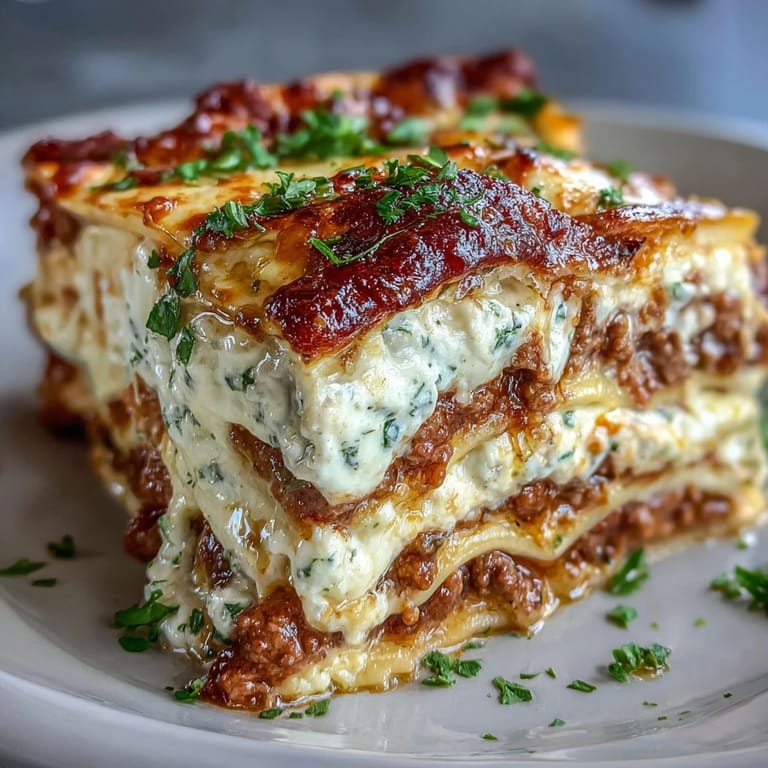
Save My cousin Teresa showed up one Sunday with a pan so heavy I thought she'd brought bricks. It was lasagna, still warm, wrapped in three towels. She refused to give me the recipe for two years, insisting I had to earn it by watching her make it twice. I did, and I've been making it ever since, tweaking it just enough to call it mine.
I made this for my neighbor after her knee surgery, and she called me crying because it reminded her of her grandmother's cooking. She ate it three nights in a row and froze the rest in individual portions. Now every time I bake it, I make two: one for us and one to give away. It's become my go-to gesture when words aren't enough.
Ingredients
- Lasagna noodles: I use the no-boil kind because they soak up the sauce perfectly and save you a giant pot of boiling water.
- Ricotta cheese: Whole milk ricotta makes it luscious, but part-skim works fine if you're watching fat, just don't skip the egg or it won't bind.
- Mozzarella cheese: Shred it yourself from a block, the pre-shredded stuff has coating that keeps it from melting smoothly.
- Parmesan cheese: Freshly grated Parmigiano-Reggiano adds a nutty sharpness that the powdered kind just can't touch.
- Ground beef: Lean beef keeps the sauce from getting greasy, but don't go too lean or you lose flavor.
- Italian sausage: Sweet or spicy, your call, but removing the casing and crumbling it into the beef adds incredible depth.
- Marinara sauce: Homemade is wonderful, but a good jarred brand works when you're short on time, just taste it first.
- Garlic: Fresh cloves minced fine, none of that jarred stuff, it turns bitter when it cooks this long.
- Olive oil: A good quality one makes a difference in the base of the sauce, it's the first thing that hits the pan.
- Fresh basil: Adds a brightness that dried basil can't replicate, tear it by hand if you want it even more fragrant.
- Egg: Binds the ricotta so it doesn't turn into a runny layer, one large egg is all you need.
- Salt and pepper: Season in layers, taste the sauce before you assemble, you can always add more but you can't take it back.
Tired of Takeout? 🥡
Get 10 meals you can make faster than delivery arrives. Seriously.
One email. No spam. Unsubscribe anytime.
Instructions
- Get the oven ready:
- Preheat to 375°F so it's fully heated by the time you finish assembling. This ensures even baking from the moment the dish goes in.
- Start the sauce:
- Heat olive oil in a large skillet over medium heat, add the minced garlic, and let it sizzle until your kitchen smells like an Italian grandmother's house, about one minute. Don't let it brown or it'll taste sharp.
- Brown the meat:
- Add the ground beef and sausage, breaking it up with a wooden spoon as it cooks until no pink remains, about 8 to 10 minutes. Drain off the excess fat so your lasagna doesn't swim in grease.
- Build the sauce:
- Stir in the marinara, salt, pepper, and chopped basil, then let it simmer gently for 10 minutes. This step marries all the flavors together and thickens the sauce just enough.
- Prepare the ricotta mixture:
- In a mixing bowl, beat together the ricotta and egg until smooth and creamy. This mixture should be spreadable but not runny.
- Start layering:
- Spread about a cup of meat sauce on the bottom of a 9x13 inch baking dish to prevent sticking. Lay down 4 lasagna noodles, overlapping them slightly.
- Add ricotta and cheese:
- Spread half the ricotta mixture over the noodles, then sprinkle a third of the mozzarella and ladle more meat sauce on top. Press gently so everything settles together.
- Repeat the layers:
- Add another layer of noodles, the remaining ricotta, another third of mozzarella, and more sauce. You're building a delicious, cheesy architecture here.
- Finish it off:
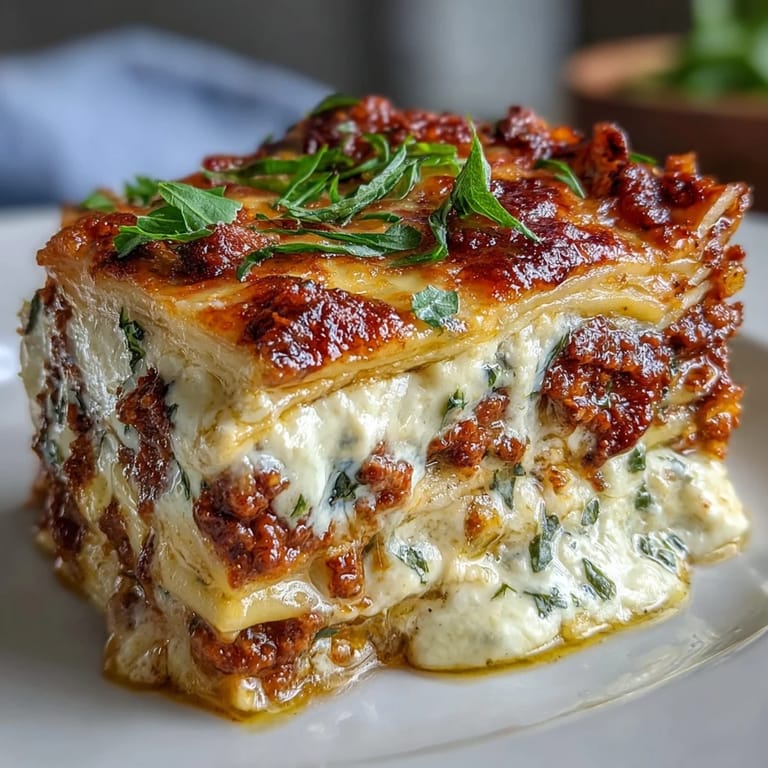
- Top with the last layer of noodles, pour the remaining sauce over them, then blanket everything with the rest of the mozzarella and all the Parmesan. It should look like a snowy, cheesy mountain.
- Bake covered:
- Cover the dish tightly with aluminum foil and bake for 25 minutes. The foil traps steam and cooks the noodles through without drying out the top.
- Finish uncovered:
- Remove the foil and bake another 15 minutes until the cheese is golden, bubbly, and has those crispy edges everyone fights over. Watch it closely near the end.
- Let it rest:
- This is the hardest part, but let the lasagna sit for at least 15 minutes before cutting into it. It needs time to set or it'll slide apart on the plate.
 Save
Save My son requests this for his birthday every year instead of going out to eat. He sits at the counter while I assemble it, sneaking bites of mozzarella and telling me about his day. It's become less about the lasagna and more about that hour together in the kitchen, layering memories as much as noodles.
Make It Your Own
I've tucked sautéed spinach and mushrooms into the ricotta layers when I need more vegetables, and no one ever complains. You can swap the sausage for ground turkey if you want it lighter, or add a pinch of red pepper flakes to the sauce if you like heat. Some nights I throw in a handful of fresh mozzarella torn into chunks for extra creaminess.
Storage and Reheating
Lasagna freezes beautifully, either the whole pan or individual slices wrapped tight in foil and tucked into freezer bags. I reheat single portions in the microwave with a damp paper towel over the top to keep them from drying out. From frozen, let it thaw in the fridge overnight, then reheat covered at 350°F for about 30 minutes.
Pairing and Serving
A simple green salad with a sharp vinaigrette cuts through the richness perfectly, and crusty garlic bread is non-negotiable in my house. I like serving this with a bold Chianti or Sangiovese, the acidity balances the cheese and meat.
- Let guests serve themselves from the pan, it stays warmer longer and feels more communal.
- Garnish each slice with a little fresh basil or parsley for color and freshness.
- If you're feeding a crowd, this recipe doubles easily and bakes in two pans at the same time.
 Save
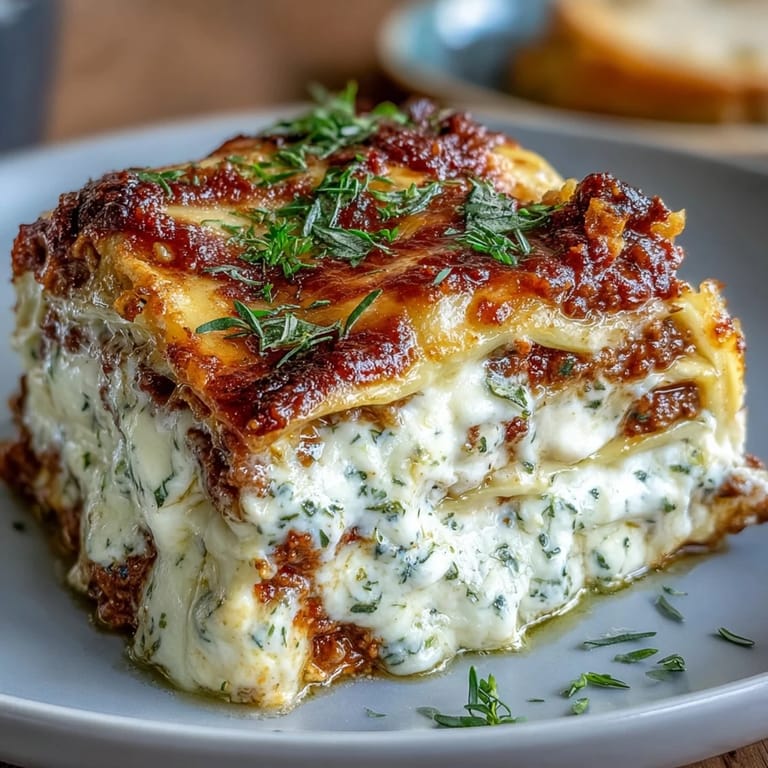
Save This lasagna has shown up at more tables than I can count, and every time someone asks for the recipe, I think of Teresa and her towel-wrapped pan. Now it's your turn to make it, tweak it, and pass it on.
Recipe Questions & Answers
- → Can I use no-boil noodles instead of regular lasagna sheets?
Yes, no-boil noodles work perfectly and can save preparation time. They absorb moisture from the sauce during baking, so you may want to add a thin layer of sauce beneath and above each layer to ensure proper cooking.
- → How long should I let the lasagna rest before serving?
Let it rest for at least 15 minutes after removing from the oven. This resting period allows the layers to set, making it easier to cut clean slices and preventing the cheese from running when served.
- → Can I make this ahead of time?
Absolutely. You can assemble the entire dish up to 24 hours in advance, cover tightly, and refrigerate. When ready to bake, you may need to add 5-10 minutes to the covered baking time since it will be cold.
- → What can I substitute for Italian sausage?
You can use all ground beef, or substitute with ground turkey, pork, or a plant-based meat alternative. Adjust seasonings accordingly since Italian sausage adds fennel and herbs that contribute distinct flavor.
- → Can I freeze leftovers?
Yes, leftovers freeze beautifully for up to 2 months. Cut into individual portions, wrap tightly in plastic and foil, then thaw overnight in the refrigerator before reheating in a 350°F oven until heated through.